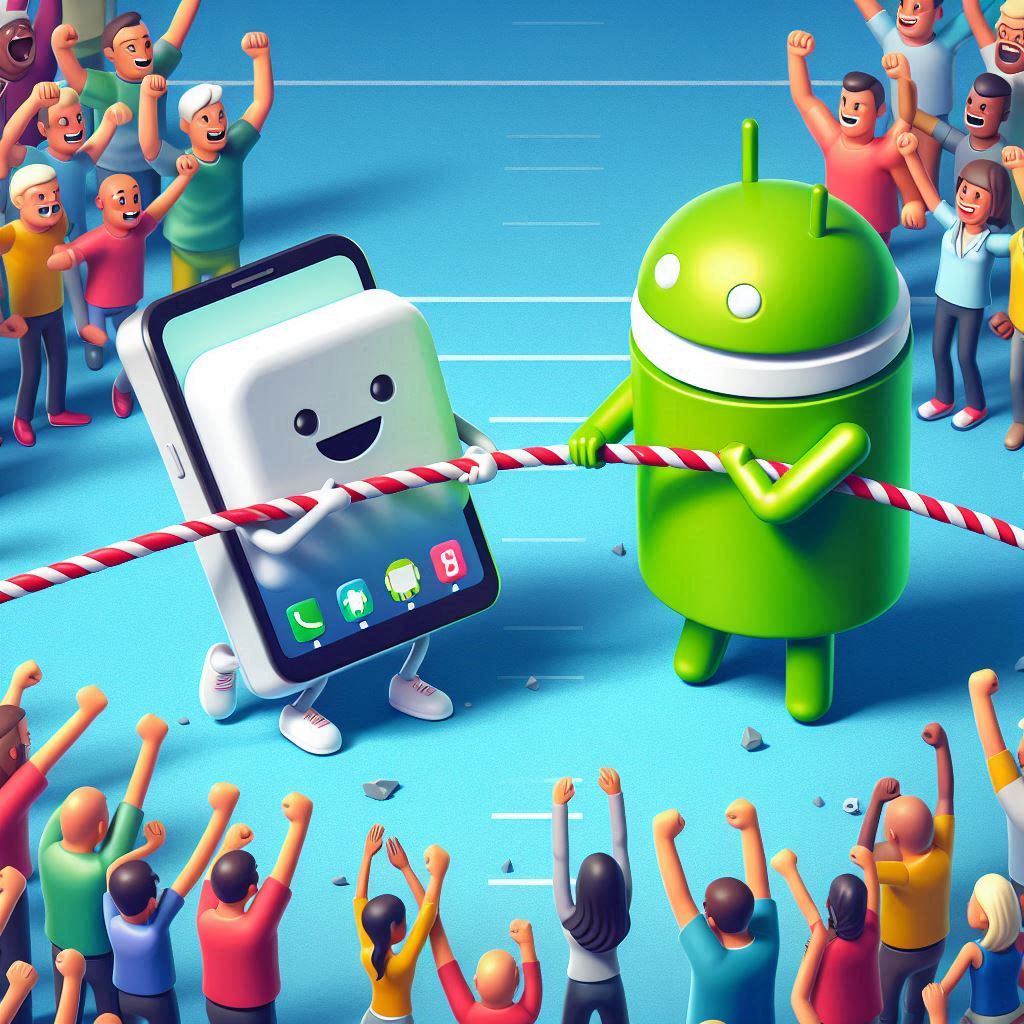
Smartphones are effectively “a second computer.” We use them to check work email, access customer data, and join online meetings. With that convenience comes a growing risk of information leakage—especially for people who handle data and personal information as part of their work.
This article compares iOS and Android security characteristics and explains practical ways to minimize risk.
iOS vs Android: A security comparison
Many people believe “iOS is safer than Android.” Apple’s integrated approach (hardware + software) and App Store review process often results in strong baseline security.
Strengths of iOS
– Apps run in a sandboxed environment with restricted access to other apps and system resources.
– Apple delivers security updates quickly, so patches can reach devices fast.
iOS is not perfect
Even iOS devices can be targeted by sophisticated attacks and spyware. The key takeaway: no platform is immune.
What about Android?
Android is open source, which helps researchers inspect code and identify issues. Android also provides security features such as app scanning and protections in Google Play.
Android characteristics
Android emphasizes flexibility and customization. Depending on device vendors and update policies, security updates may arrive at different times.
Risk exists regardless of OS
Attackers don’t always target a specific person. A smartphone can be used as a stepping stone to reach a company network, accounts, or higher-value systems.
The most important mindset is to avoid assumptions such as “this OS is safe.” Stay security-aware and apply practical measures.
Use dedicated data erasure when disposing of devices
To fully remove smartphone data before reuse/resale, dedicated data erasure software is the most reliable approach.
MASAMUNE Erasure supports the latest iOS/Android versions and provides certificates as evidence of proper erasure.

