

2025-04-26
Data Erasure for Beginners | What Teams Should Know Before Reuse or Disposal
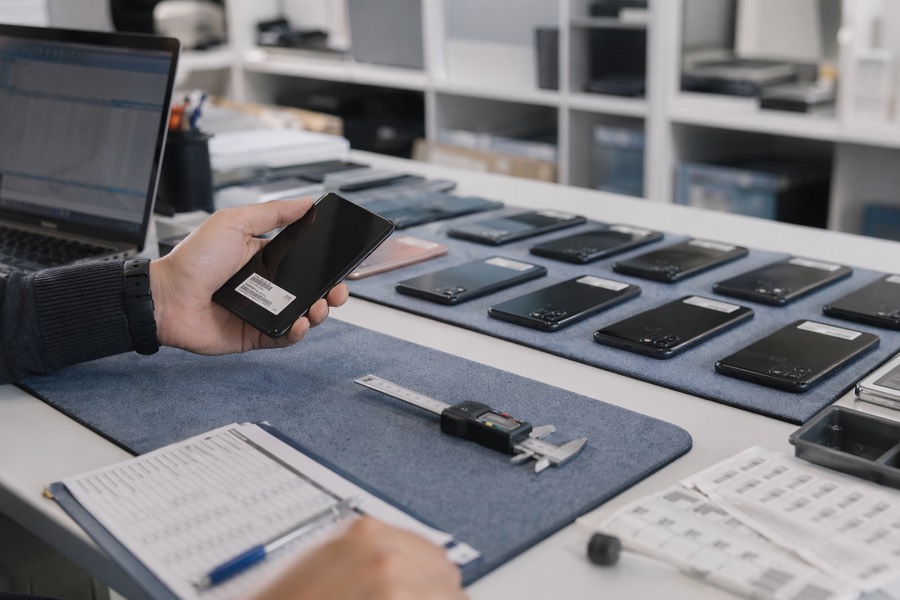
For first-time buyers or teams starting device reuse operations, the biggest mistake is thinking data erasure is only a technical cleanup step. In practice, it becomes a business and accountability issue the moment a device moves to another user, another company, or another lifecycle stage.
What beginners should understand first
Risk rises when devices are resold, returned, reassigned, or disposed of.
Visibility changes are not the same as lower recoverability or audit-ready evidence.
The first time someone asks what happened to a device, logs become more important than theory.
Even simple operations are safer when the process is consistent and traceable.
Where beginner teams get exposed
| Situation | Why it becomes risky | What to check first |
|---|---|---|
| Resale | Customer-facing devices create direct post-sale accountability | Identity checks, erase path, and proof of completion |
| Lease return | External parties may ask what was done after the device leaves | Case records, timestamps, and method selection |
| Internal reassignment | Data often stays inside the company but still crosses users and roles | Reset vs erasure expectations and operator consistency |
| Disposal | Final disposal still needs defensible handling and vendor confidence | Media class, evidence path, and destruction decision |
Minimum beginner checklist
- List the device types: mobile, laptop, HDD, SSD, removable media.
- List the outcomes: resale, return, reassignment, disposal.
- List the evidence expectations: who may ask for logs or certificates later.
- Choose a repeatable workflow: do not depend on memory or operator improvisation.
- Make the result searchable: later questions are normal, so treat them as expected.
Beginners usually benefit more from operational clarity than from method complexity
The strongest early win is often not a more complex erase algorithm. It is a workflow where teams know which device was processed, which case it belonged to, and where the evidence lives afterward.
Start by checking the evidence path
If your team is just getting started, the certificate sample and the deletion-vs-erasure comparison usually give the fastest orientation.
Frequently asked questions
Q. When does basic deletion become risky?
It becomes risky when a device is resold, returned, reassigned, disposed of, or reviewed under audit and support expectations.
Q. Is this only relevant to large enterprises?
No. Smaller reuse teams and growing operators often feel the risk sooner because the same people handle intake, erase work, and customer accountability.
Q. What should beginners keep first: method, certificate, or workflow?
Start with the workflow. Once the device path, outcome, and evidence requirements are clear, the erase method choice becomes easier.