

2025-12-13
Data Erasure, Evidence, and Pricing FAQ | Common Questions for Resale, ITAD, and Audit Teams
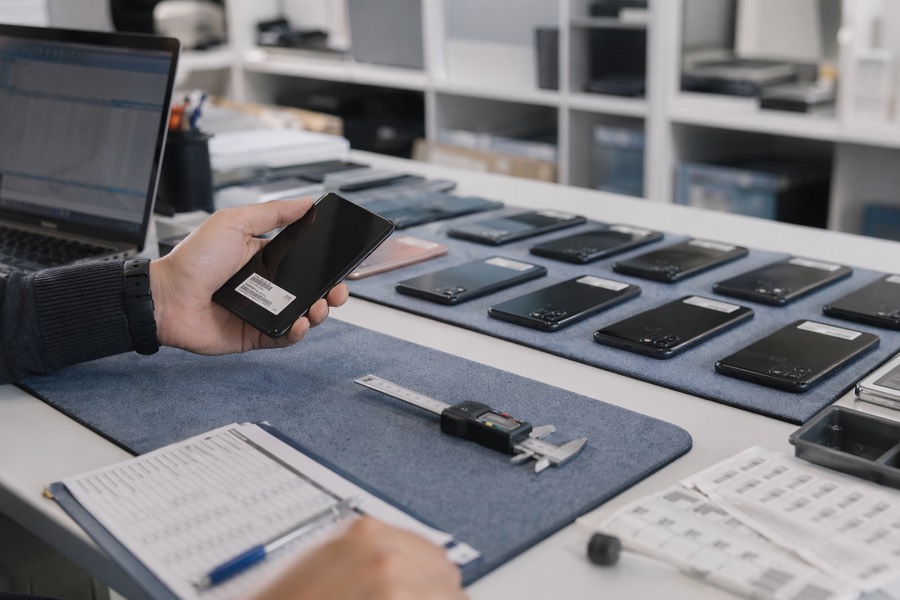
This page is a practical FAQ for teams evaluating MASAMUNE in resale, ITAD, return, and audit-heavy workflows. It focuses on decision points that usually matter first: device scope, evidence requirements, pricing entry points, and operational fit.
The topics that usually determine fit fastest
Which devices, media, and return conditions are in play.
How much certificate, log, and case history your workflow actually needs.
Whether you are starting with a small proof or a larger operational rollout.
How parallel work, multiple operators, and returns are managed in practice.
Basics
Q. Which devices and media does MASAMUNE handle?
MASAMUNE is used across smartphones, tablets, PCs, HDDs, SSDs, and NVMe workflows, with fit determined by media type, workflow shape, and evidence requirements.
Q. Is factory reset enough?
Often no. In resale, ITAD, returns, and audit-heavy workflows, reset alone usually does not provide enough assurance or enough evidence.
Q. What is the difference between deletion and data erasure?
Deletion mainly removes visibility. Data erasure is an operational process that lowers recoverability and makes the work explainable later.
Evidence and audit readiness
Q. Can MASAMUNE keep logs and certificates for audit use?
Yes. Device identity, method, timestamp, operator, and result can be retained in a way that supports certificates and later accountability.
Q. What matters more for audit: the method or the record?
Both matter, but audits usually become easier when teams can reconstruct what happened to which asset, who did it, and when.
Q. Does this also help with vendor return or lease workflows?
Yes. Return-heavy operations benefit from case-level history because questions often appear after devices have already left your site.
Pricing and onboarding
Q. Can we start with a small trial or proof of concept?
Yes. Small-volume evaluation is often possible. The discussion moves faster when you already know the device mix, volume, return conditions, and certificate requirements.
Q. How should pricing be evaluated?
Look at pricing through the workflow: small PoC, production resale flow, ITAD / return process, and evidence requirements often lead to different starting points.
Q. What should we prepare before contacting you?
The device mix, concurrent volume, return or resale flow, IMEI check requirements, and whether certificates must be submitted externally.
Operations
Q. How should we think about high-volume processing?
Concurrent device count is only part of it. Real fit depends on swap flow, verification steps, operator history, and case management.
Q. Can MASAMUNE support multiple locations or operators?
Yes. As the number of people or sites grows, centralized logs and role design become more important, not less.
Q. Can MASAMUNE connect to internal systems or APIs?
That depends on the workflow. Integration planning is easier when you first define which case, asset, or evidence data needs to move between systems.
After the FAQ, review either evidence or comparison
If you already have concrete requirements, the certificate sample is often the fastest next step. If you are still evaluating options, the compare pages usually help more.