

2025-12-13
Why Data Erasure Matters | Deletion vs Erasure in Real Operations
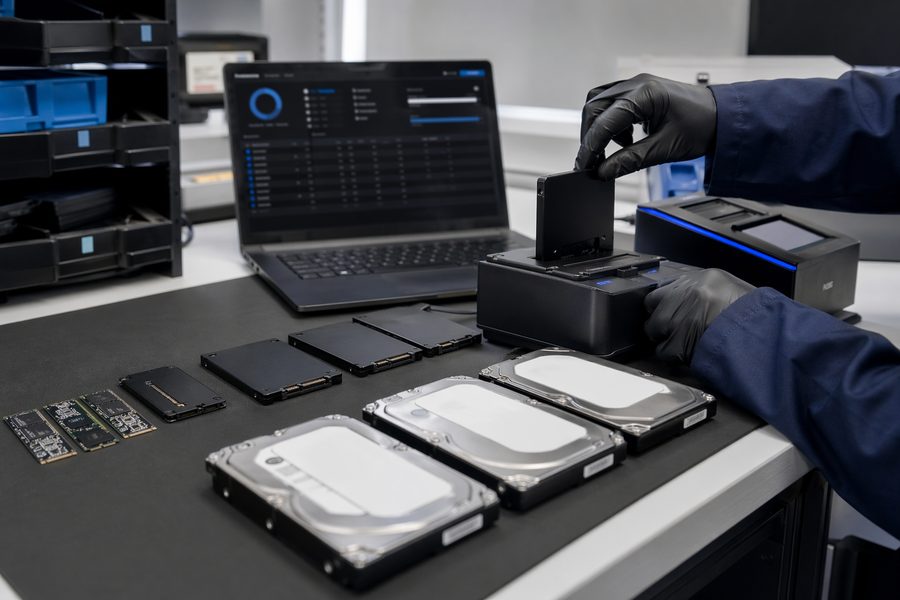
“We deleted it” is usually not the same as “we can explain what happened.” In resale, ITAD, lease return, and audit-heavy environments, the real requirement is not just wiping data, but proving which device was processed, how, when, and with what result.
Where this topic becomes operationally important
You need a commercially clean handoff, not just a device that looks reset.
You may need to explain the workflow after devices have already left your site.
Teams are asked to show who processed what and how evidence was retained.
Ad hoc device reset is weak when operations span multiple people or locations.
Deletion vs erasure
| Topic | Deletion / reset | Operational data erasure |
|---|---|---|
| Goal | Make data disappear from normal user view | Lower recoverability for reuse, transfer, or disposal |
| Unit of work | Individual device action | Case, asset, operator, and result tracking |
| Evidence | Often none | Logs, certificates, and case history can be retained |
| Best fit | Basic personal reset scenarios | Resale, ITAD, returns, audits, and support-sensitive workflows |
The method matters, but the workflow matters more
Most real failures happen after the erase step: missing records, broken asset linkage, no certificate, no answer for partners, or no way to find the operator history later. This is why data erasure should be treated as an operations system, not just a technical action.
Minimum enterprise checklist
- Scope the devices: know which devices belong to which case.
- Check prerequisites: account bindings, management state, return conditions.
- Execute appropriately: choose the right method for the device or media.
- Keep evidence: retain result, operator, timestamp, and method.
- Close the workflow: make the outcome explainable for resale, return, or disposal.
How to look at MASAMUNE
A certificate-only process is weaker than a workflow that keeps searchable execution history.
Returns, resale, and ITAD work better when linked to a case or batch context.
Audit is not the only audience. Partners and customers may ask later too.
Resale, governance, and evidence pages should lead into the same operational platform.
Evaluate erasure as an operational system
If your workflow includes volume, certificates, returns, or audit expectations, reviewing the evidence flow first is usually the fastest way to evaluate fit.
Frequently asked questions
Q. What is the difference between deletion and data erasure?
Deletion usually removes visibility. Data erasure is an operational process designed for resale, return, or disposal, with lower recoverability and retained evidence.
Q. Is factory reset enough?
It may be enough for some personal scenarios, but enterprise resale, ITAD, and audit-heavy workflows often need logs, certificates, and case-level traceability.
Q. When do logs and certificates matter?
They matter when resale, lease return, vendor return, audit, or customer support creates later accountability.